





From Waste to Wealth: The Economics of Garment Waste Recycling
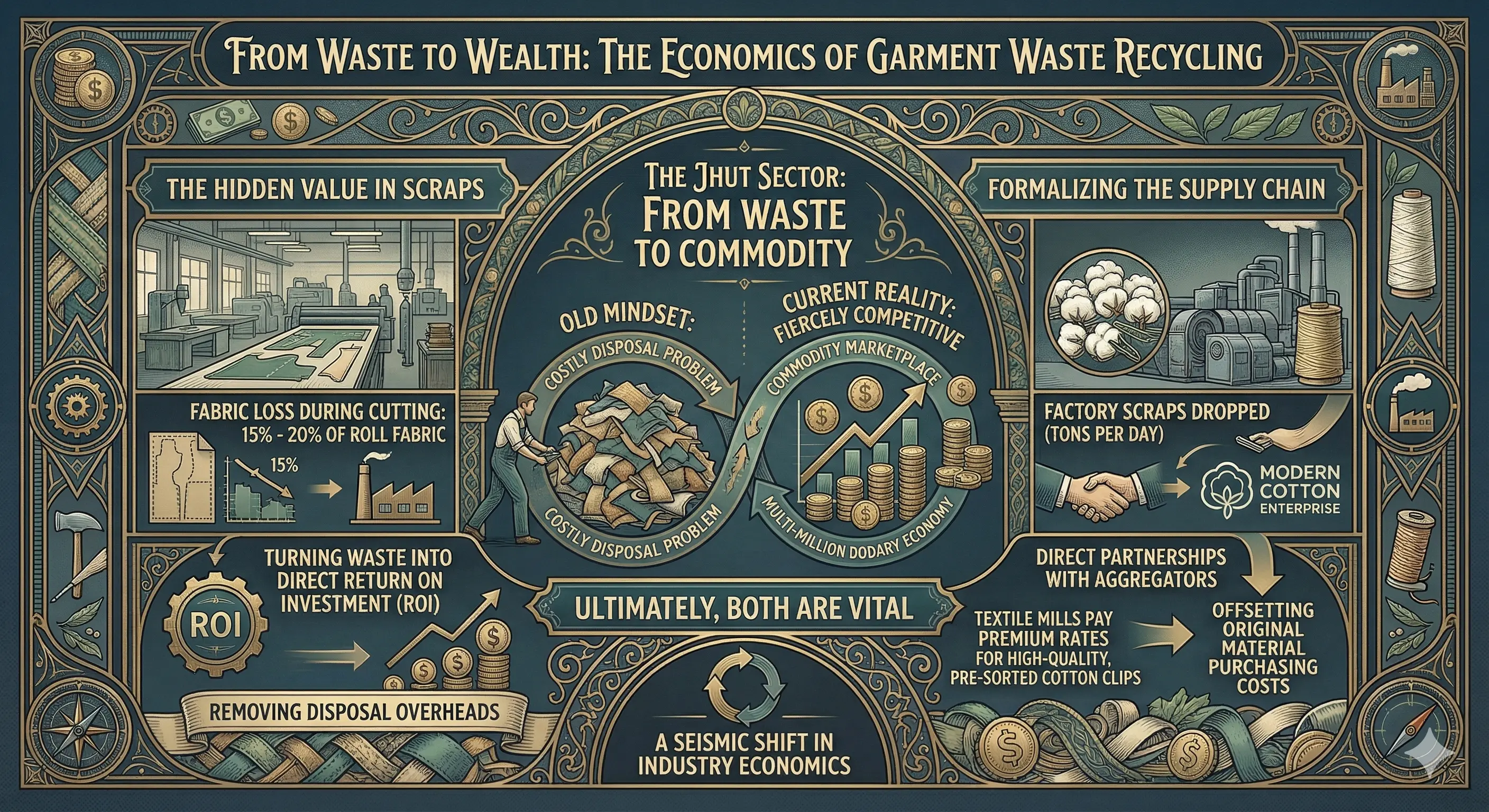
For decades, the standard mindset across large-scale garment manufacturing was that waste was an inevitable and expensive problem. Factory managers perceived off-cuts and fabric clips as hurdles—things that cost money to transport, incinerate, or dump. Today, a seismic shift has occurred. What was once a costly disposal problem is now a fiercely competitive commodity marketplace. This is the economics of garment waste recycling.
The "Jhut" sector used to be an underground disposal problem. Today, it is a multi-million dollar secondary economy capable of entirely removing the disposal overheads of modern mills.
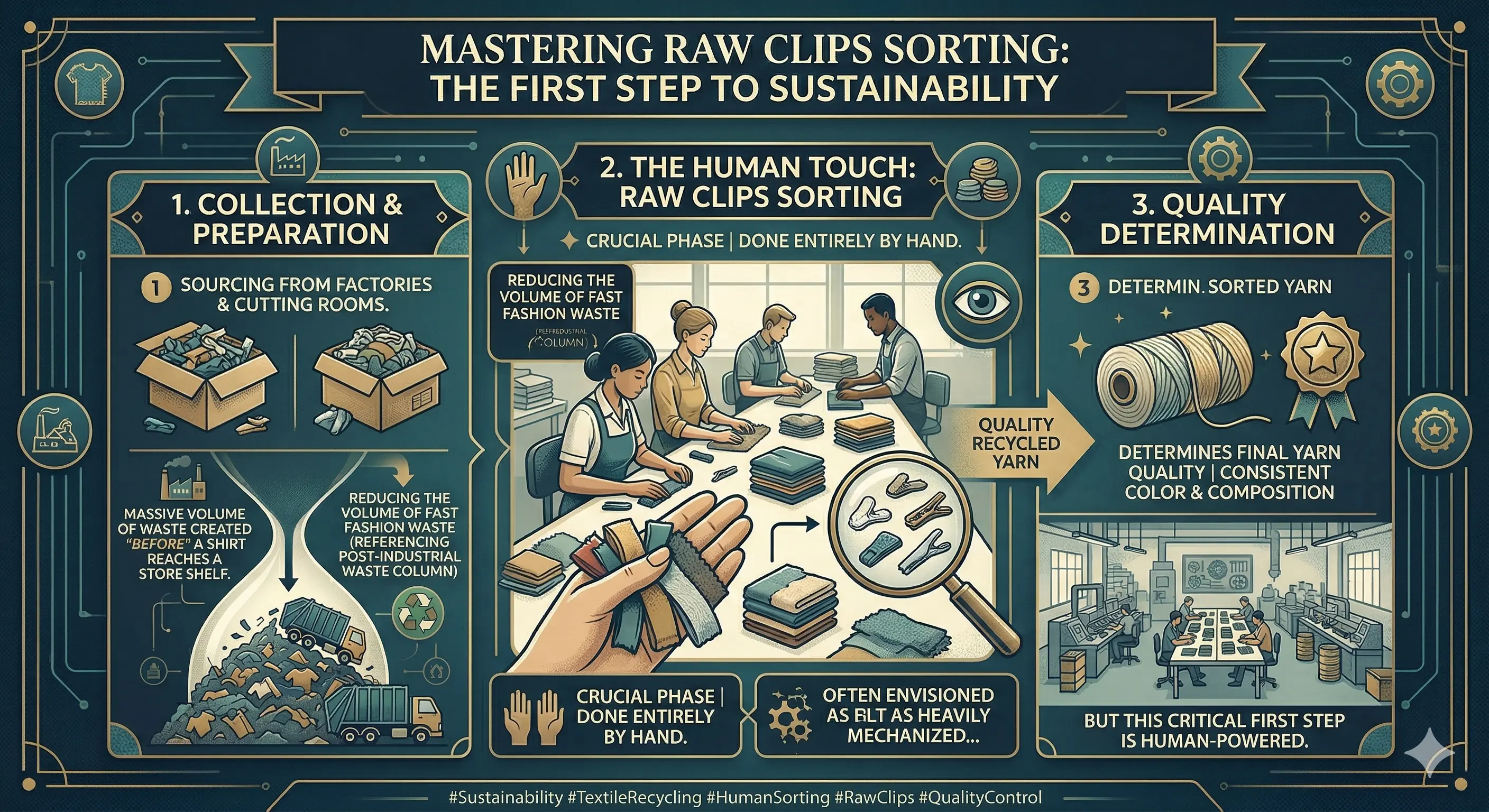
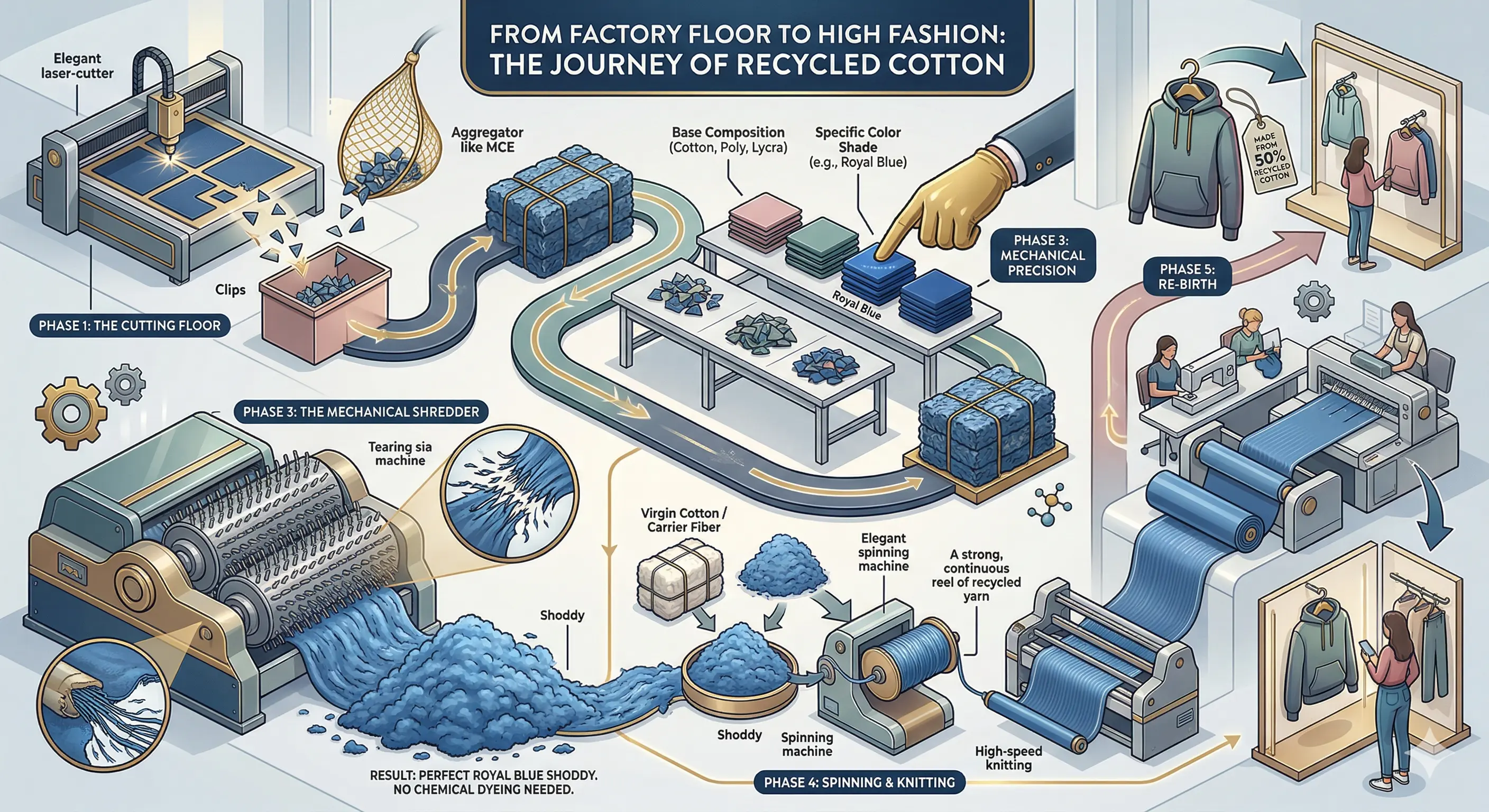
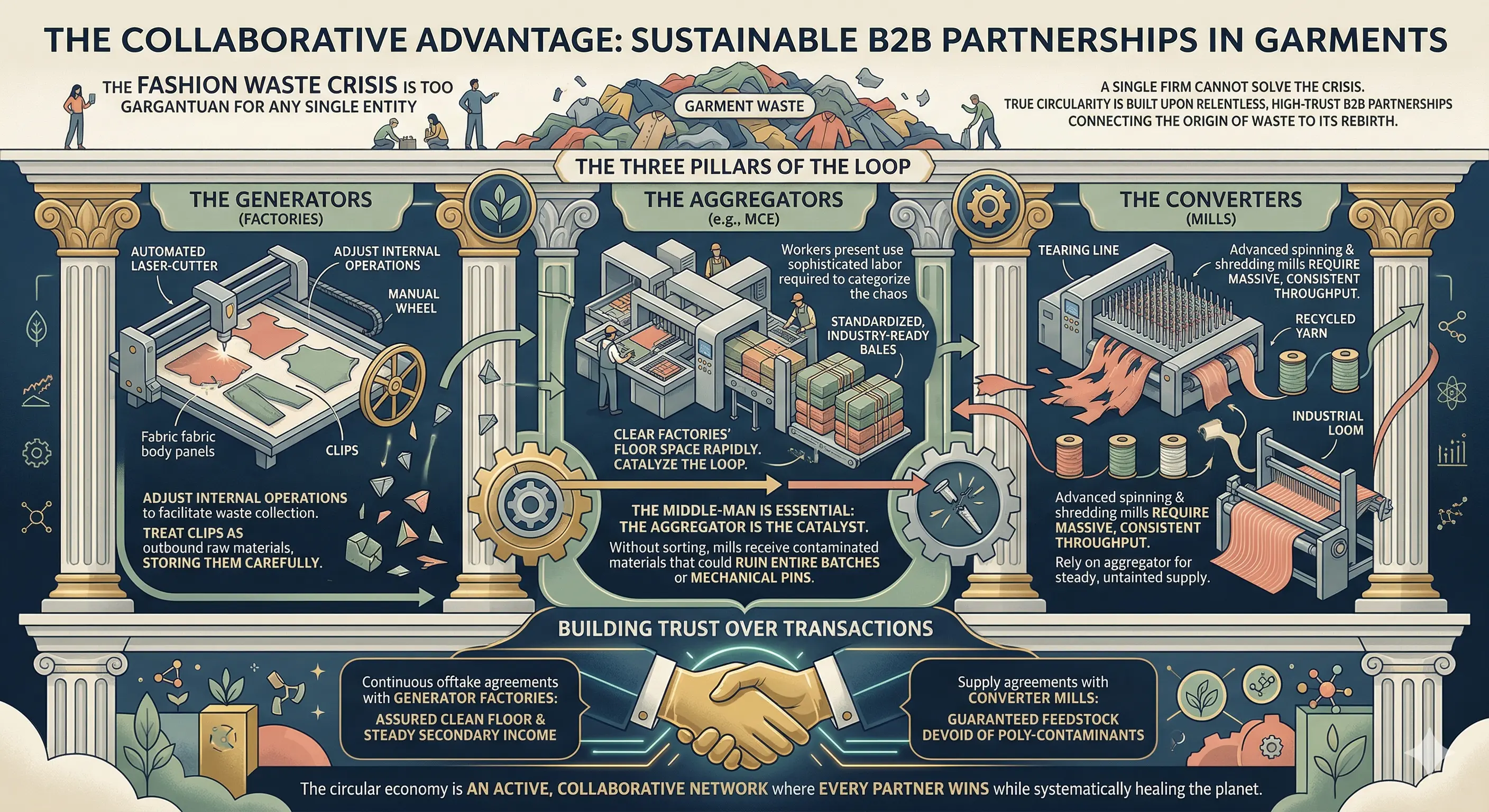
A typical factory cutting floor drops roughly 15% to 20% of its roll fabric during the pattern cutting phase. In a factory moving tons of material a day, this adds up rapidly. Rather than paying logistics firms to haul this away to a landfill, manufacturers are now partnering directly with specialized aggregators like Modern Cotton Enterprise.
Textile mills around the globe are paying premium rates for high-quality, pre-sorted cotton clips. By formalizing this supply chain, factories are turning waste into direct Return on Investment (ROI), offsetting their original material purchasing costs.
Market DriversThere are three major drivers transforming this waste into wealth:
- Brand Targets: Heavyweights like Zara, H&M, and Nike have aggressive 2030 targets to incorporate significantly more recycled materials into their core lines. The demand for recycled fibers is skyrocketing.
- Raw Cotton Prices: Virgin cotton requires immense water, fertilizers, and arable land. As climate change strains agriculture, virgin cotton prices are highly volatile. Recycled materials provide a cost-effective, stabilizing fallback.
- Regulatory Pressure: Regions like the European Union are drafting stringent regulations (like the EU Strategy for Sustainable and Circular Textiles) that penalize models that do not manage waste intelligently.
Not all waste is priced identically. A bale of haphazardly blended floor sweepings holds little value and is often downcycled into cheap rug fill. However, a bale of immaculately sorted, color-unified, 100% cotton clips fetches a premium price.
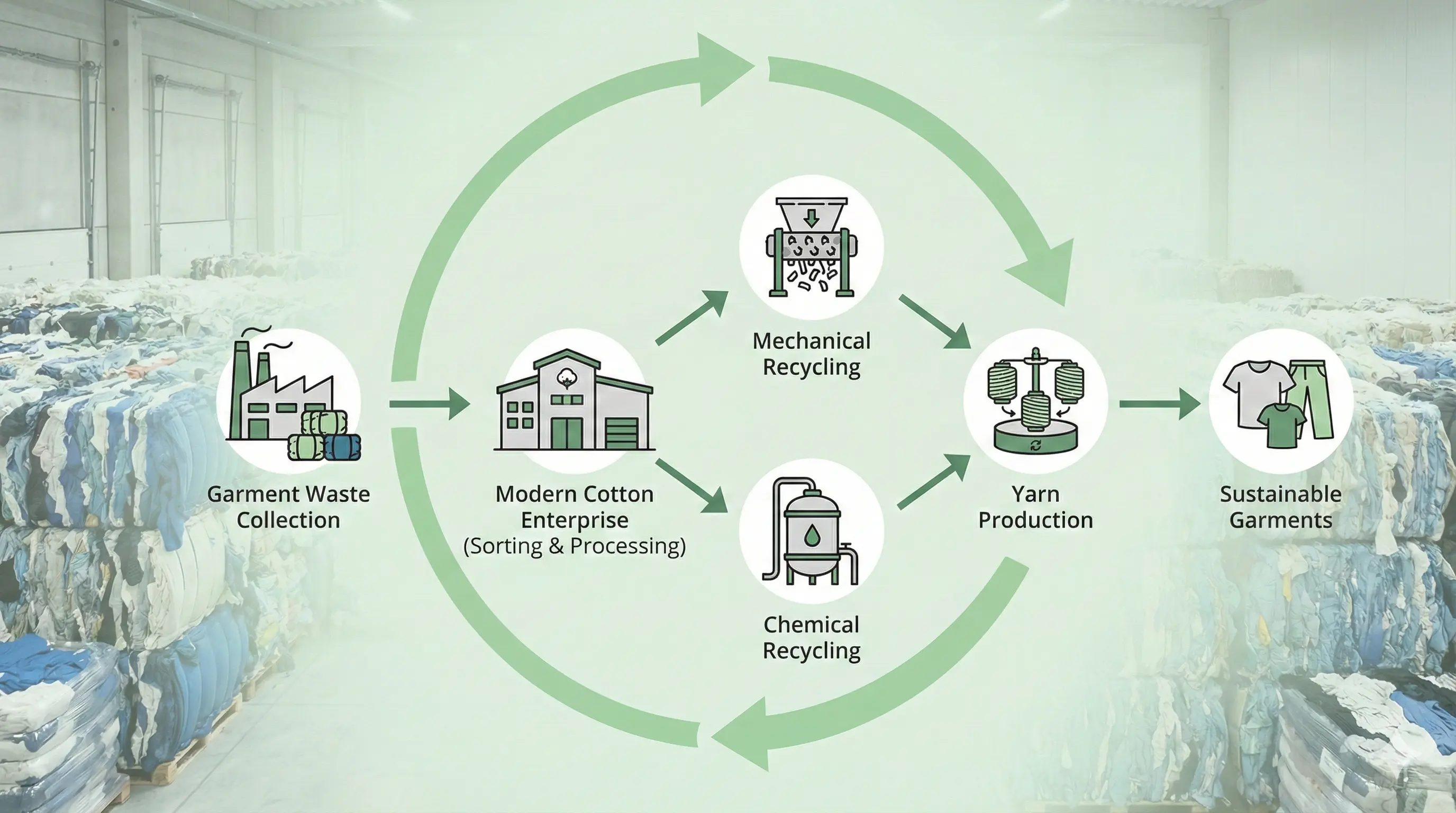
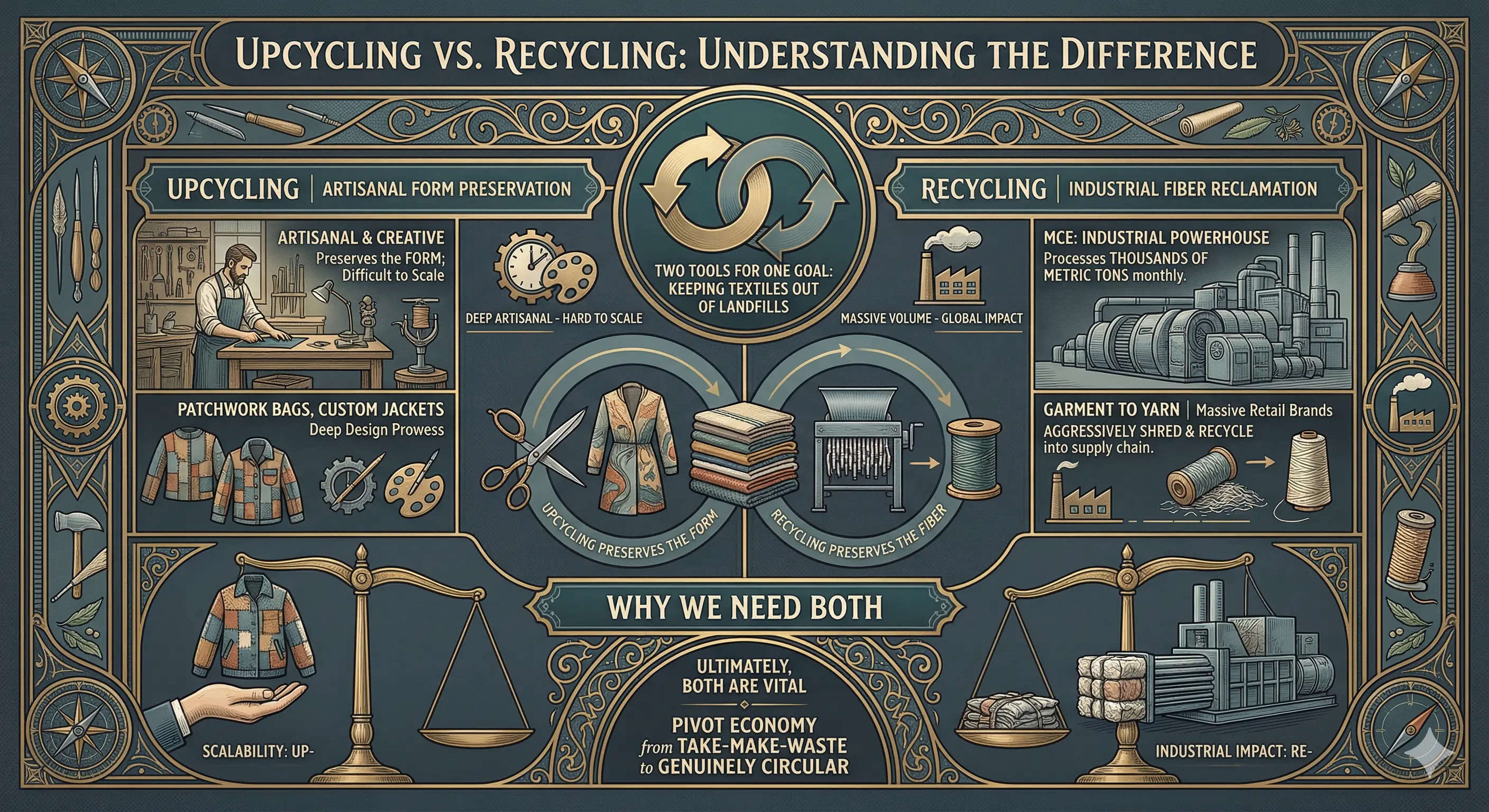
This is where MCE acts as the crucial bottleneck processor. By purchasing raw scraps, deploying expert labor to meticulously sort it by composition, and exporting it internationally, we upgrade the material's market classification, creating a "Value Add" scenario that enriches both the factory of origin and the global manufacturer.
Recent Post

Sign Up For New Product News & Offers
Monthly Newsletter


Modern Cotton Enterprise (MCE) is a leading garment waste recycling and export company based in Bangladesh, dedicated to advancing circularity in the global textile industry.


Modern Cotton Enterprise © | All Rights Reserved