





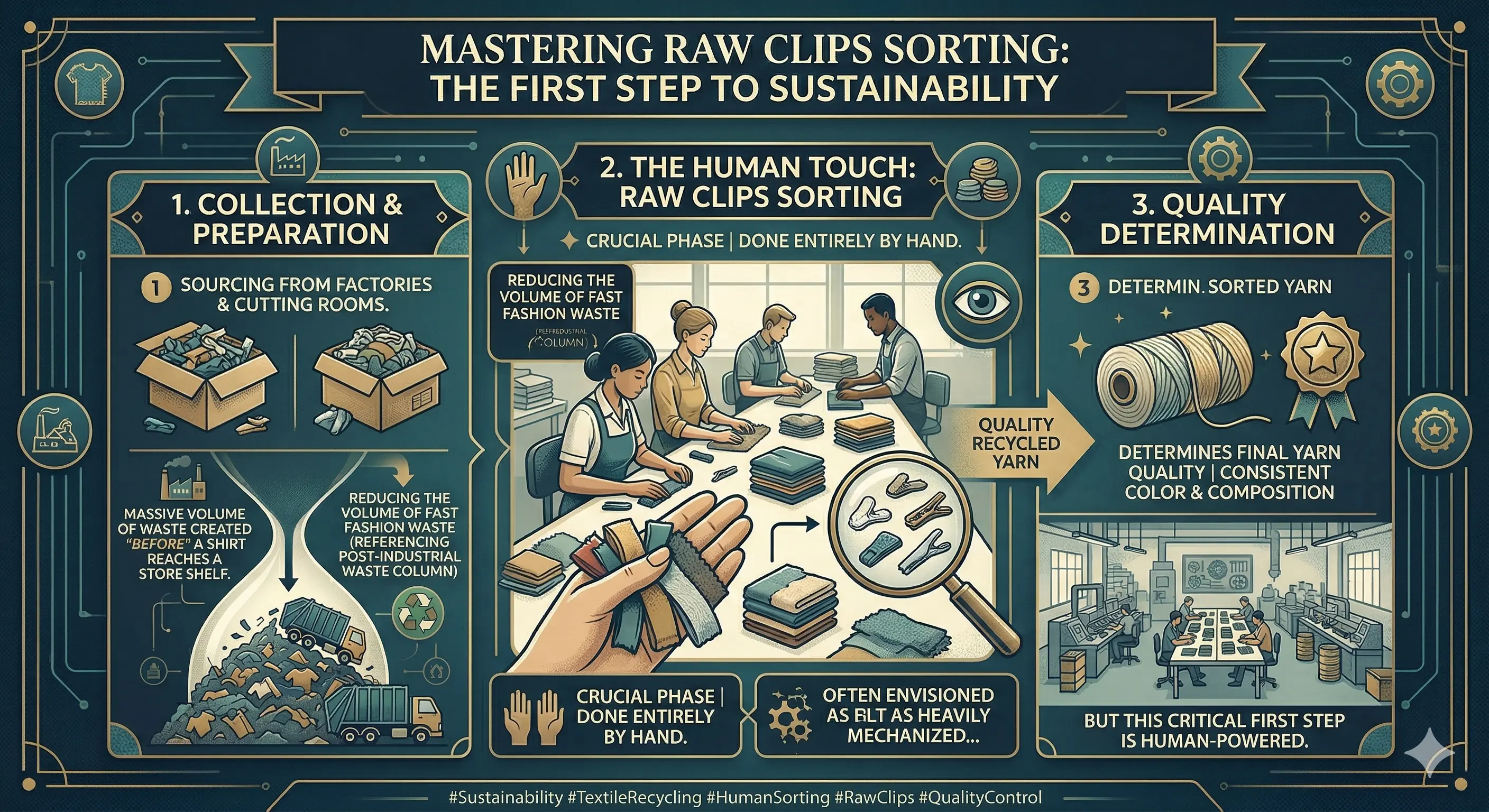
Mastering Raw Clips Sorting: The First Step to Sustainability
Recycling in the textile industry is often envisioned as an automated, heavily mechanized process filled with massive shredding machines. However, the most critical step—the one that ultimately determines the quality of the final recycled yarn—happens entirely by hand. This crucial phase is known as Raw Clips Sorting.
Recycling does not start in the shredding machine; it starts on the sorting table. Properly categorizing 100% cotton clips from poly-blends is the only way to ensure a premium recycled fiber output.
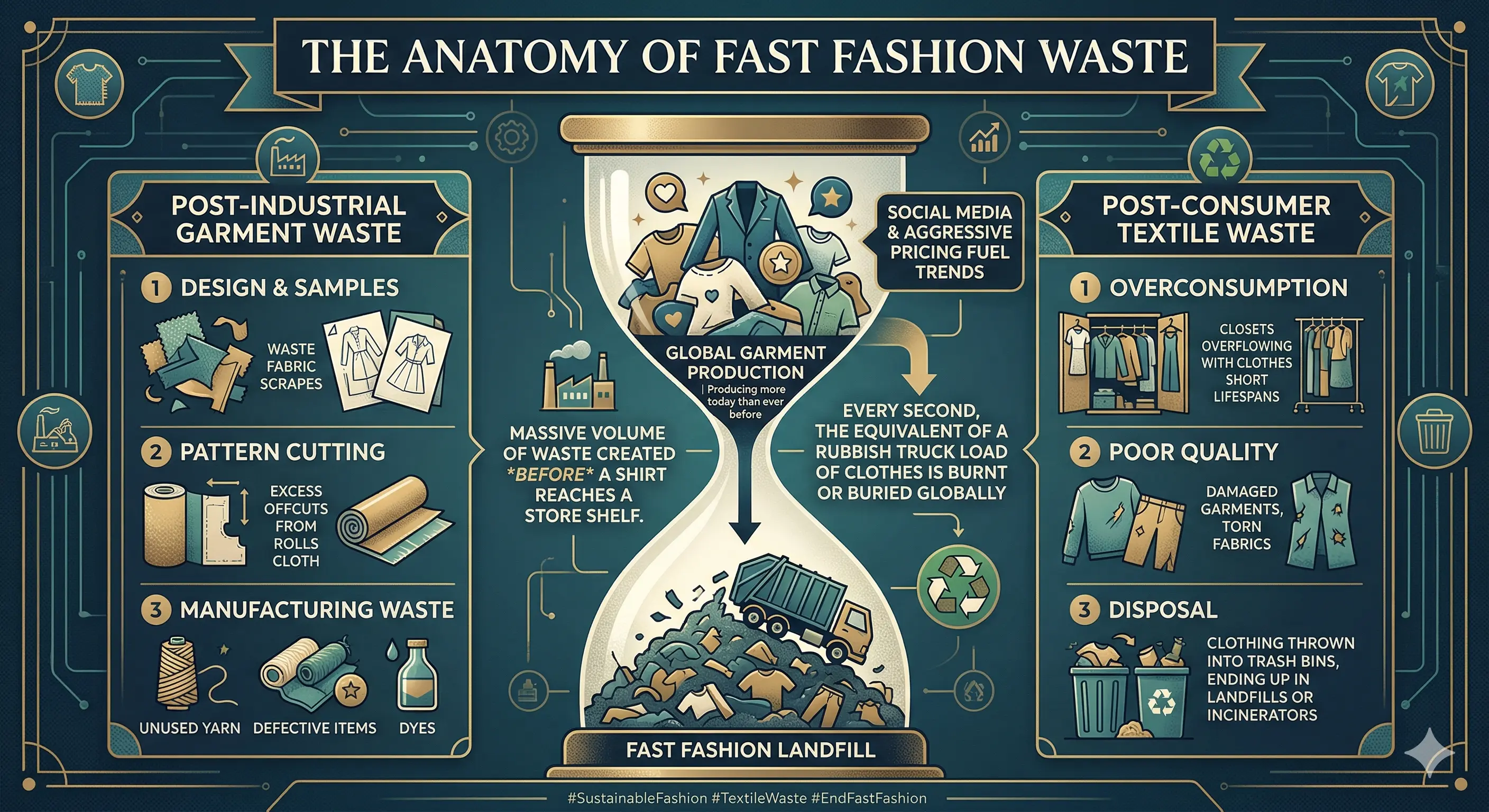
When off-cuts are swept from factory floors, they are a chaotic mix of different fabrics—100% cotton, polyester blends, spandex, and nylon. If these mixed fabrics are dumped blindly into a shredder, the resulting fiber is weak, inconsistent, and virtually useless for high-quality clothing. We call this the "Golden Rule" of textile recycling: segregation must happen immediately.
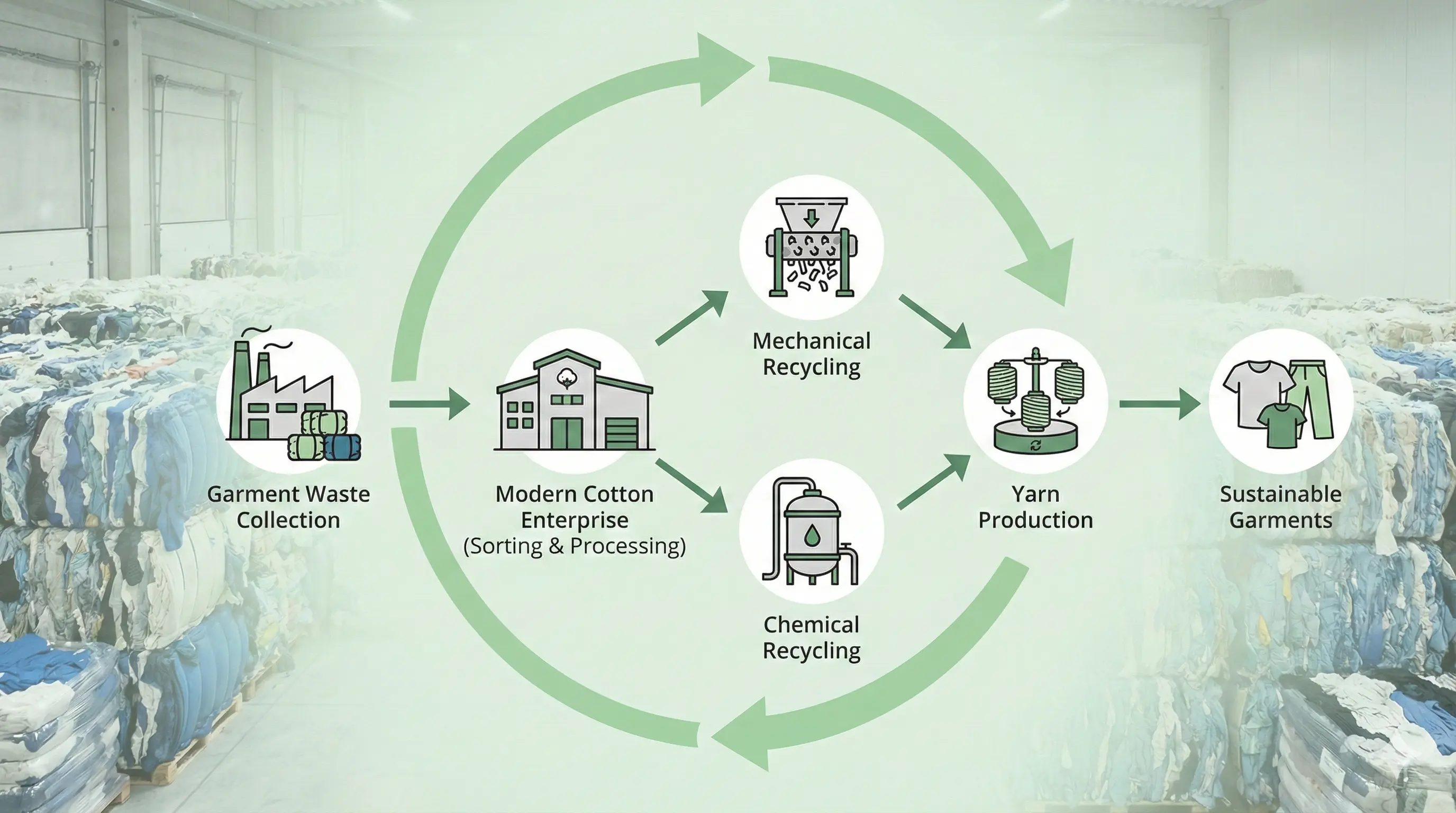
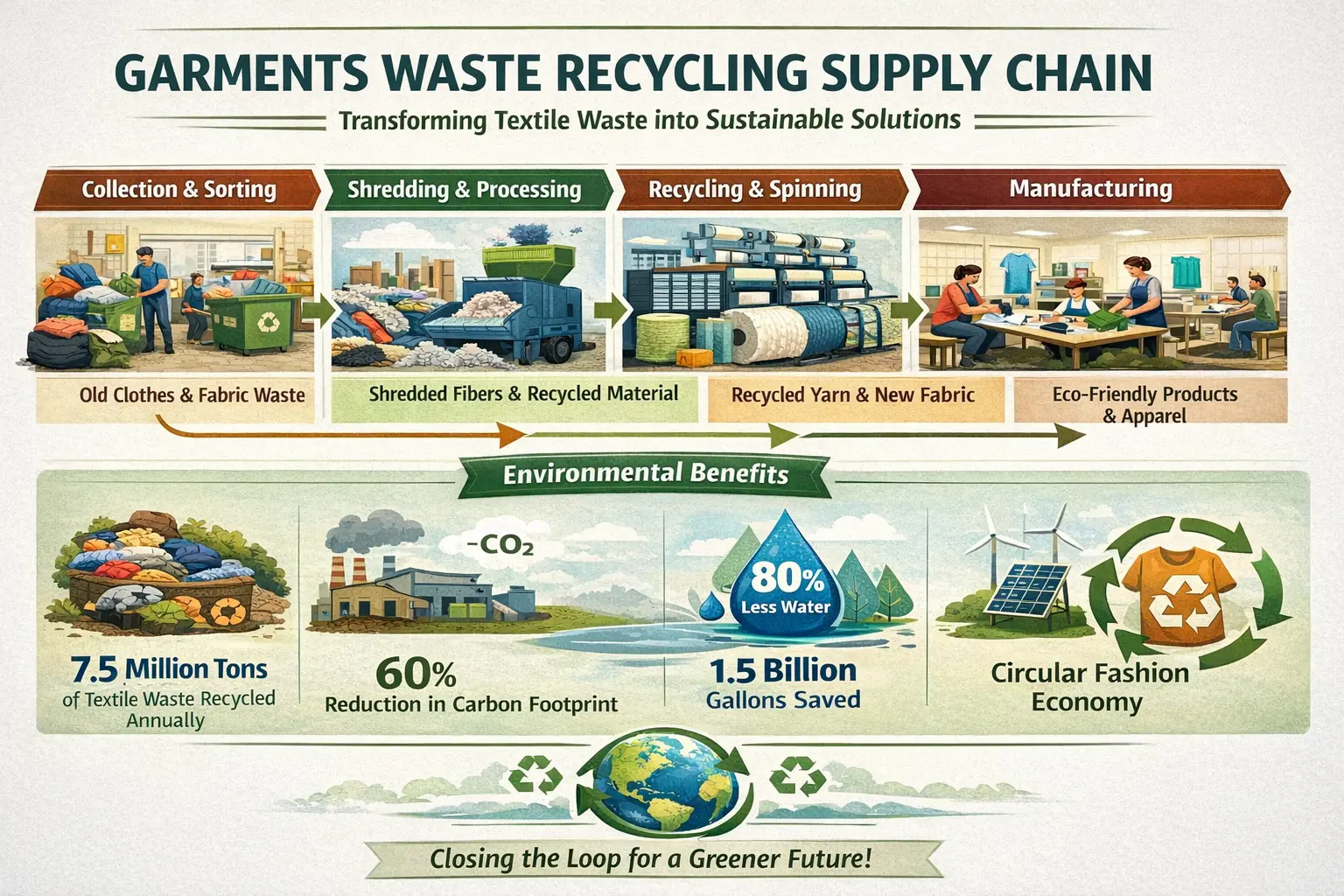
At Modern Cotton Enterprise, we have implemented strict handling protocols. We employ specialized sorting teams whose sole responsibility is to identify and categorize fabrics by composition. By keeping 100% Cotton clips separate from Lycra or Viscose, we guarantee that the material passed on to spinning mills performs exactly as expected.
The Magic of Color MatchingSorting by composition is only half the battle; sorting by color is where true sustainability lies. Let’s consider the environmental cost of dyeing a brand new t-shirt: it requires massive amounts of water, heat, and chemical agents.
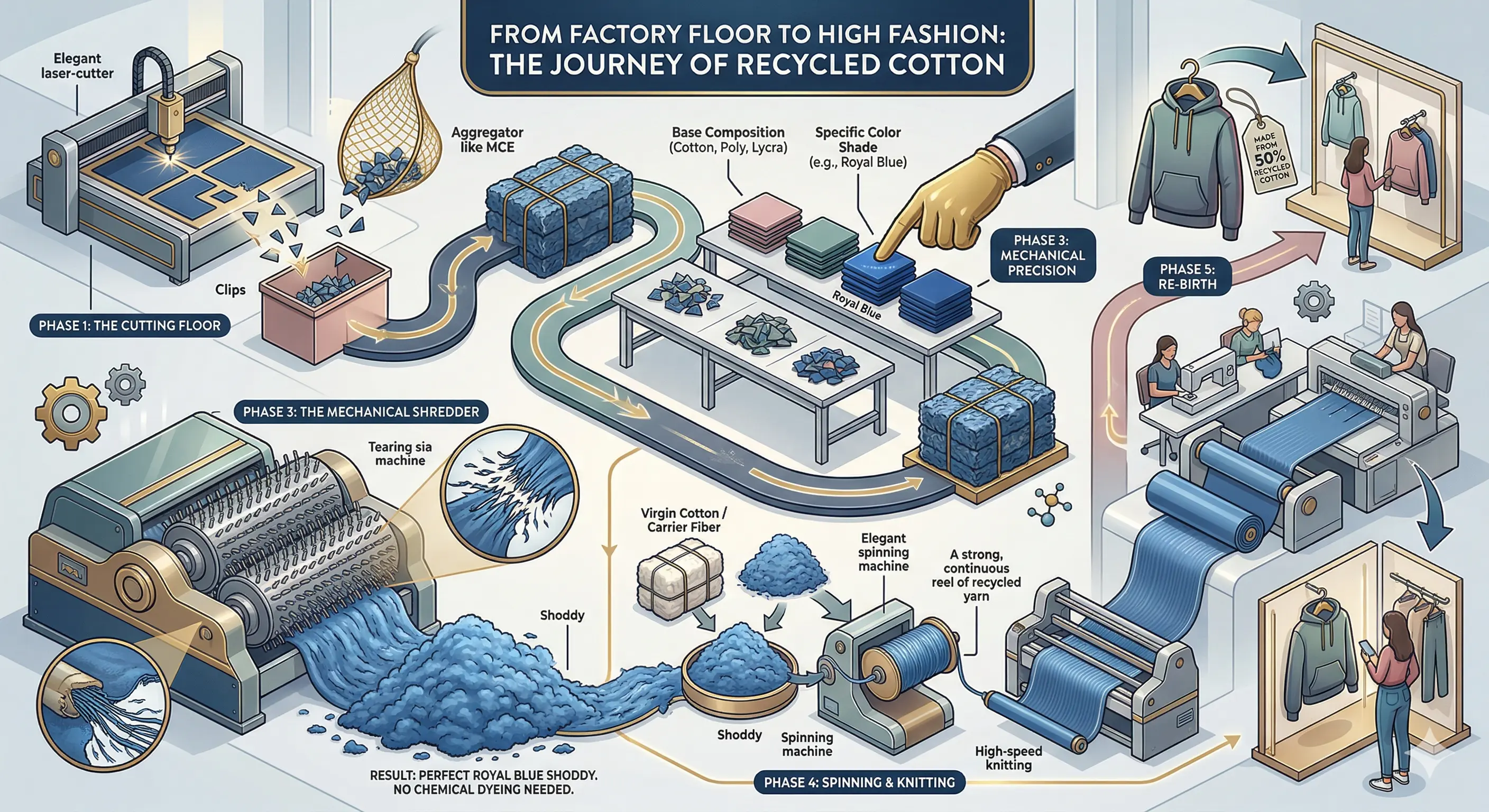
By separating the post-industrial clips into highly specific color groups—grouping Navy Blue cuts apart from Royal Blue or Sky Blue—we create a homogenous, pre-dyed stockpile of material. When the Navy Blue recycled cotton is finally shredded and spun into yarn, it creates a Navy Blue yarn without a single drop of water or dye being used in the process.
Quality Control Steps- Primary Inspection: Contaminants like paper tags, plastics, and metallic zippers are manually removed.
- Composition Check: Expert hands and burn tests are utilized to confirm if a batch contains hidden synthetics.
- Color Grading: Sorting the fabrics into standardized industry shades to eliminate the need for chemical re-dyeing.
Mastering raw clip sorting requires intensive labor, attention to detail, and a deep understanding of textiles. But this manual effort is precisely what elevates garment waste from a disposable burden into a highly sought-after circular commodity.
Recent Post

Sign Up For New Product News & Offers
Monthly Newsletter


Modern Cotton Enterprise (MCE) is a leading garment waste recycling and export company based in Bangladesh, dedicated to advancing circularity in the global textile industry.


Modern Cotton Enterprise © | All Rights Reserved