





The Anatomy of Fast Fashion Waste
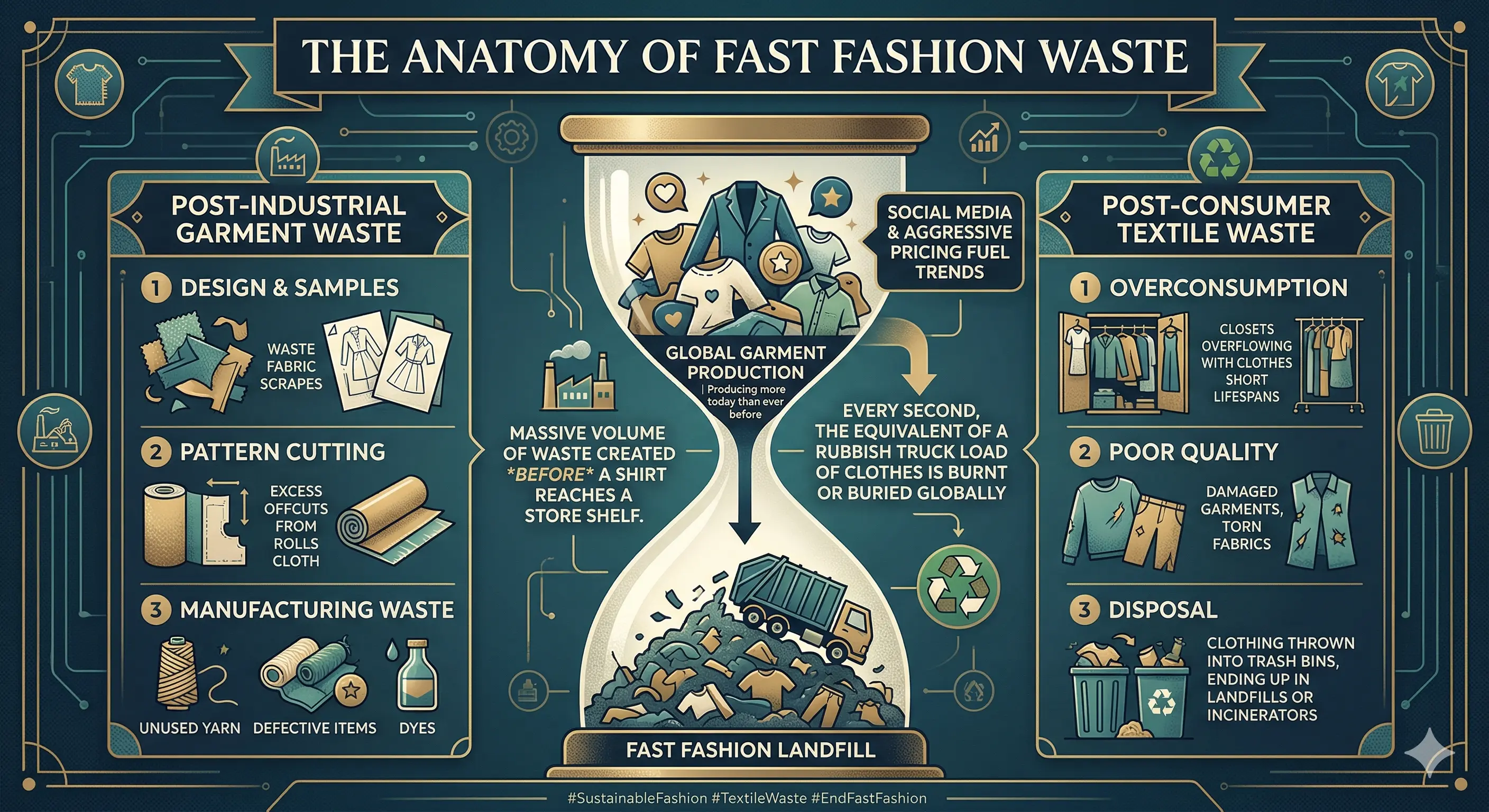
The global fashion industry is producing more garments today than at any other point in human history. With trends cycling rapidly thanks to social media and aggressive retail pricing, we are experiencing what is known as "fast fashion." Unfortunately, the cost of this extreme productivity is highly visible in our landfills. Every second, the equivalent of a rubbish truck load of clothes is burnt or buried across the globe.
What many consumers fail to realize is that textile waste does not solely begin after a garment is thrown away. A massive volume of waste is produced *before* a shirt ever reaches a store shelf. This is the realm of post-industrial garment waste.
If nothing changes, the fashion industry will consume up to a quarter of the world’s carbon budget by 2050. Post-industrial recycling isn't just an option—it is an absolute planetary necessity.
When patterns are cut from large rolls of fabric at the factory level, anywhere between 10% to 25% of the original fabric is discarded as off-cuts or "clips." Historically, these clips were swept off the factory floor and mixed with general and organic waste, eventually arriving at overcrowded municipal dump sites.
This pre-consumer waste actually represents a treasure trove of pristine raw materials. Because it has never been worn or washed, the cotton fibers within these clips remain highly durable and retain their original dye beautifully.
The Economic Impact of Ignored MaterialsBrands spend millions of dollars and billions of gallons of water intentionally growing, harvesting, spinning, and dyeing virgin cotton. Throwing away up to a quarter of this processed material is a catastrophic loss of capital. By ignoring the potential of post-industrial waste, the global supply chain was bleeding resources.
Therefore, solving the anatomy of fast fashion waste requires a surgical approach at the origin point. We must intercept the scraps on the factory floor before they cross the threshold of becoming "garbage."
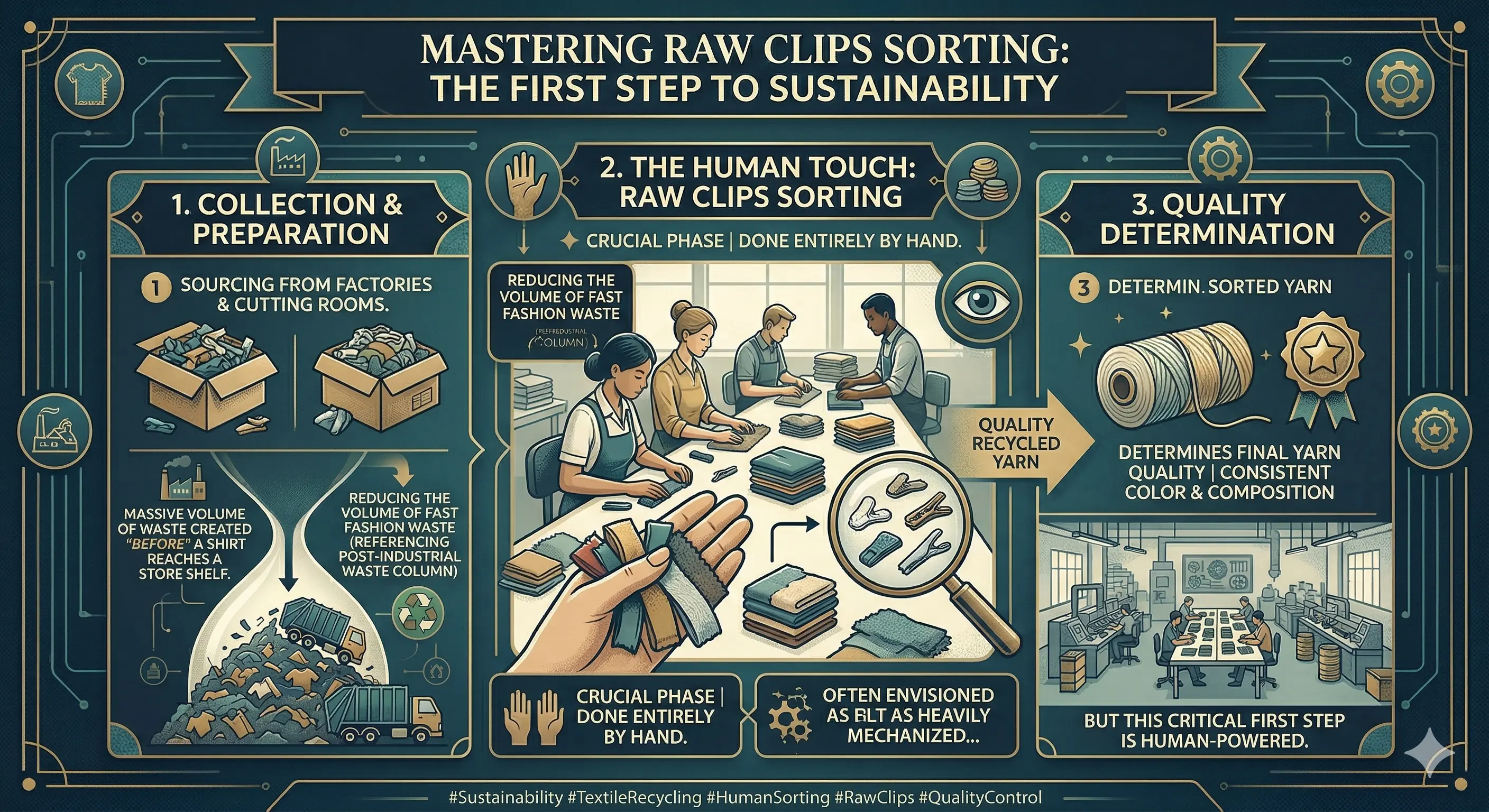
Our Role in the Lifecycle- Interception: We collaborate directly with massive manufacturing hubs to intercept scrap material immediately upon generation.
- Protection: These clips are protected from dust and contamination so they maintain fiber integrity.
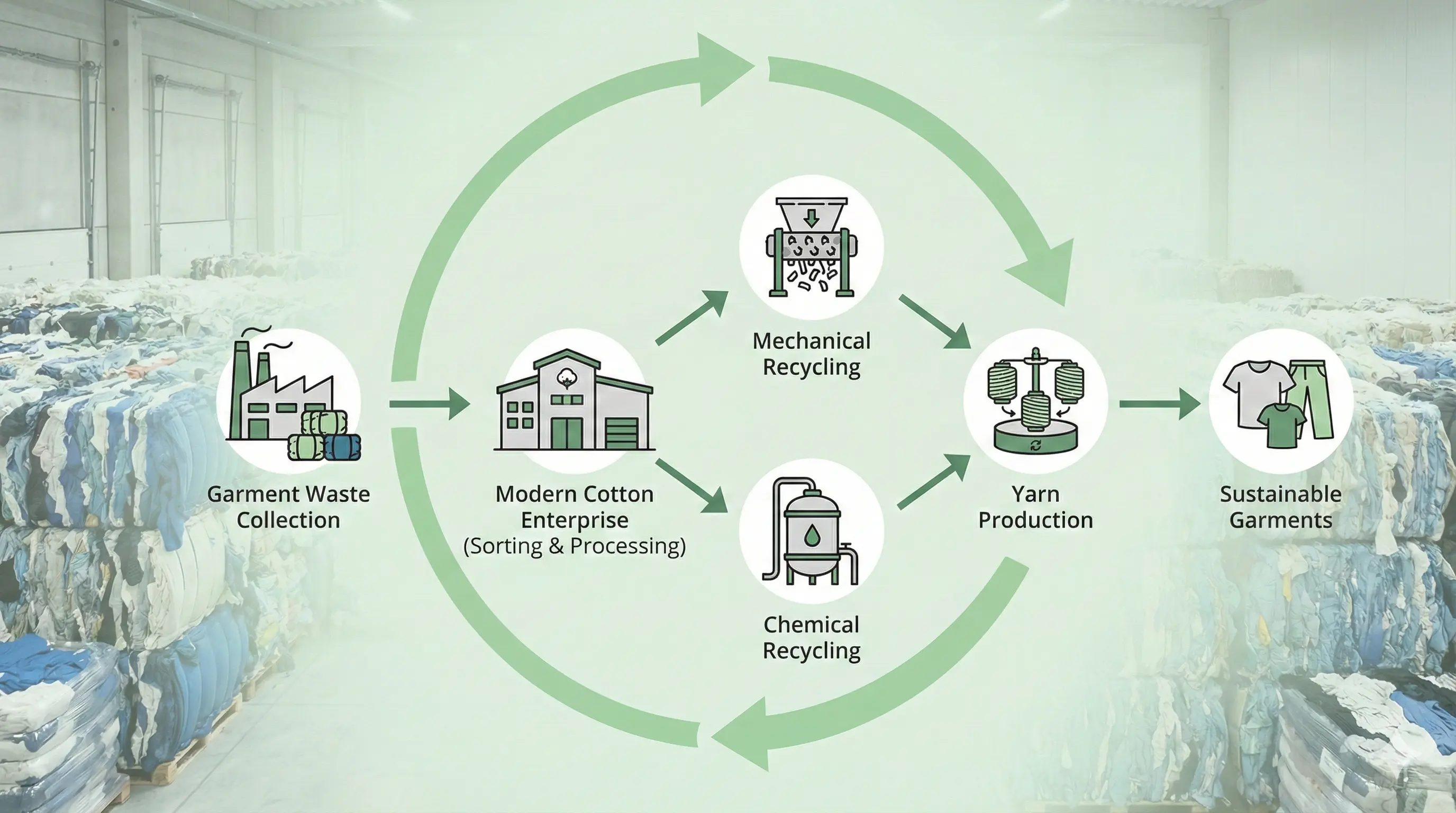
- Preparation: The raw clips are then prepared for an intricate segregation process that ensures they re-enter the circular economy efficiently.
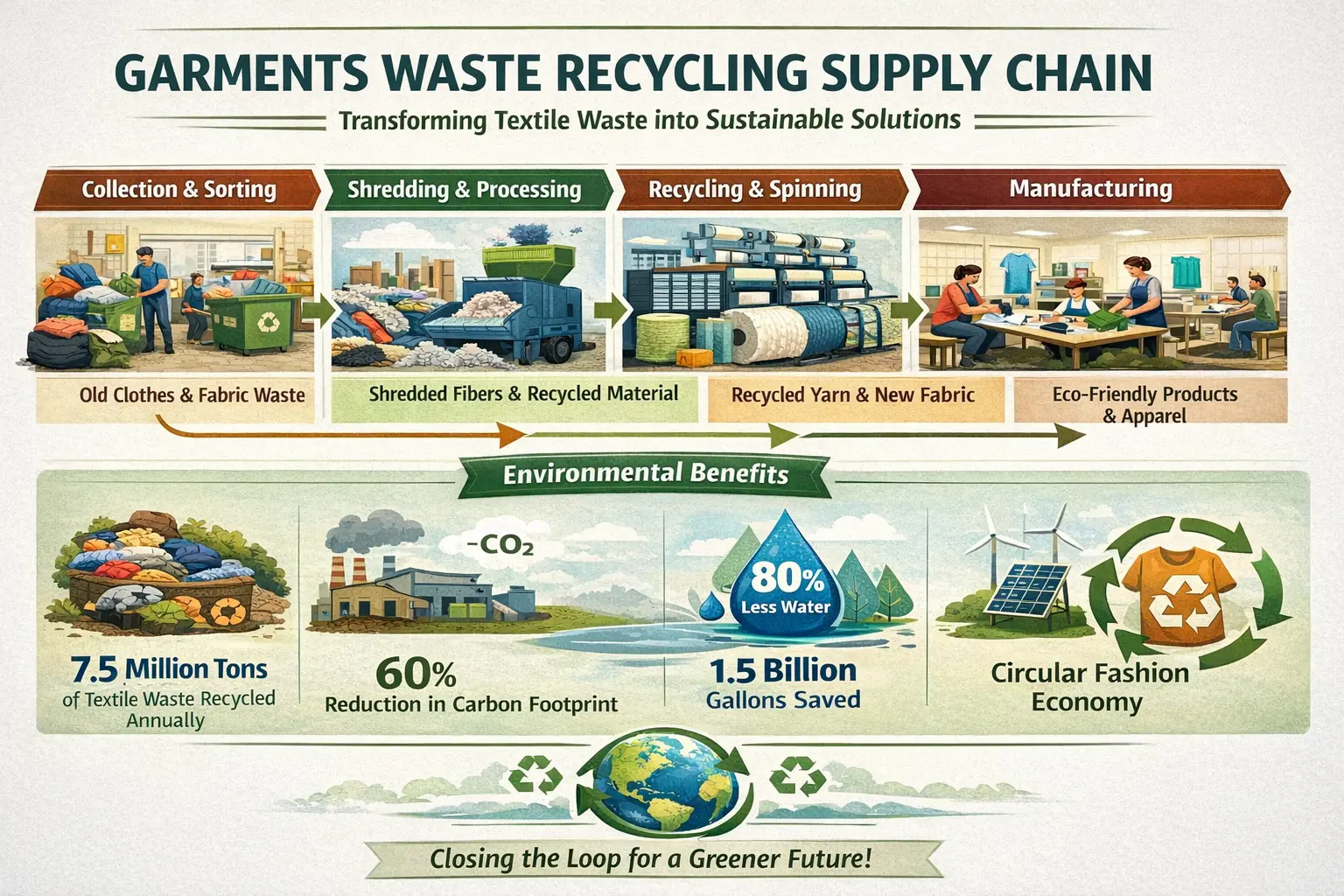
The anatomy of waste is terrifying upon close inspection, but it is entirely solvable when we shift our perspective from "trash" to "harvestable resource."
Recent Post

Sign Up For New Product News & Offers
Monthly Newsletter


Modern Cotton Enterprise (MCE) is a leading garment waste recycling and export company based in Bangladesh, dedicated to advancing circularity in the global textile industry.


Modern Cotton Enterprise © | All Rights Reserved